
Dental Hygiene and Teeth Cleaning in Calgary, NE
Our Service
Dental Hygiene and Teeth Cleaning in Calgary, NE
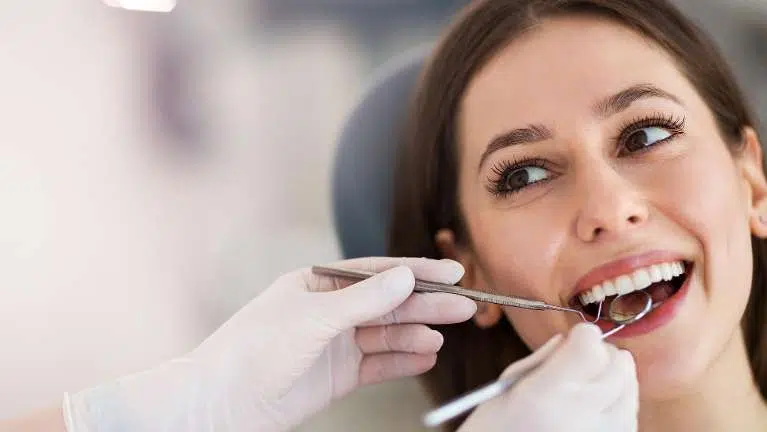
Teeth cleaning is to remove plaque(bacterial film) and tartar(mineralized plaque) from the teeth. Excessive plaque and tartar deposits can lead to gum inflammation/disease , if left untreated. We provide our patient comprehensive dental hygiene therapy including disease education, scaling, root planning (if required) , polishing, fluoride application and oral health care instructions. If you have problem with sensitivity during hygiene appointment, we may recommend local freezing or topical gel to make your visit as comfortable as possible. Visiting the dentist regularly for professional oral hygiene services is extremely essential and beneficial to maintain healthy teeth and gums and prevent bad breath.
Generally, dentist suggests professional cleaning twice a year and more frequently for high risk patients. It should be noted that gum disease cannot be completely reversed, but regular teeth cleanings are the best way to effectively halt the progression.
What are the symptoms of gum disease?
- Red, puffy, swollen gums
- Gum bleeding
- Gum recession
- Teeth shifting
Steps of a routine dental cleaning includes
- A complete periodontal/gingival health assessment
- Checking for any gum recession
- Checking for gum disease
- An intra- oral exam to check the gums, tongue, lips, mucosa and teeth
- Digital X-rays, if needed
- Removing any surface stains from the teeth by polishing them
- Flouride treatment (if required) to help prevent tooth decay by making the enamel more resistant to the action of acids
- Digital x-rays (when needed)
- Education
How often should you Visit Us for a Hygiene Visit?
Generally, dentist suggests professional dental cleaning about every 6 months and more frequently for high risk patients (3-4 months). Ultimately how often you see us for a hygiene visit depends on many factors and home maintenance care.

Comprehensive Dental Exam/X-Rays

Children's Dentistry

Invisalign

Zoom Whitening

Emergency Dentistry

Root Canal Treatment

Dental Implants

Consultation

Teeth Cleaning/Hуgeine

Dental Filling

Sports Mouthguards

Bite Guards / Splints

Crowns / Bridges

Wisdom Tooth Extraction
Sealants

Dentures
Request
An Appointment
Teeth Cleaning/Dental Hygiene
Frequently Asked Questions
What is a professional teeth cleaning?
A professional teeth cleaning is a preventive dental procedure that removes plaque, tartar (calculus), and surface stains from your teeth. It helps keep your teeth and gums healthy and reduces the risk of cavities and gum disease.
How often should I get my teeth cleaned?
Most patients should have a professional cleaning every six months. However, if you have gum disease, diabetes, braces, or a history of heavy plaque buildup, your dentist may recommend cleanings every three to four months.
Why is professional cleaning necessary if I brush and floss daily?
Brushing and flossing are essential, but they cannot remove hardened tartar. Professional cleanings remove tartar, polish your teeth, and help detect dental problems early before they become more serious.
Does teeth cleaning hurt?
Routine cleanings are usually comfortable and cause little to no discomfort. If you have sensitive teeth or inflamed gums, you may experience mild sensitivity, which typically resolves quickly.
What happens during a dental cleaning appointment?
A typical cleaning includes:
- Examination of your teeth and gums
- Removal of plaque and tartar
- Polishing to remove surface stains
- Professional flossing
- Fluoride treatment (if recommended)
- Oral hygiene recommendations
How long does a teeth cleaning appointment take?
A routine cleaning usually takes between 30 and 60 minutes, depending on your oral health and the amount of plaque or tartar present.
What is plaque?
Plaque is a sticky film of bacteria that constantly forms on your teeth. If not removed through brushing and flossing, it can lead to cavities, gum disease, and bad breath.
What is tartar?
Tartar, also called calculus, is hardened plaque that cannot be removed by brushing alone. It must be removed by a dental professional using specialized instruments.
Can teeth cleaning whiten my teeth?
Professional cleaning removes surface stains caused by coffee, tea, wine, and tobacco, making your teeth appear brighter. However, it does not change the natural color of your teeth like professional teeth whitening treatments do.
Will teeth cleaning damage my enamel?
No. Professional cleanings are safe and do not damage healthy tooth enamel when performed by trained dental professionals.
Can teeth cleaning help with bad breath?
Yes. Removing plaque, tartar, and bacteria can significantly reduce bad breath caused by poor oral hygiene or gum disease.
What are the signs that I need a dental cleaning?
You may benefit from a cleaning if you notice:
- Bleeding gums
- Persistent bad breath
- Yellow or brown buildup on teeth
- Swollen or tender gums
- Tooth sensitivity
- It’s been more than six months since your last cleaning
Can children have professional teeth cleanings?
Yes. Regular cleanings are an important part of children’s preventive dental care and help establish healthy oral hygiene habits while preventing cavities.
Is teeth cleaning covered by insurance?
Many dental insurance plans cover routine preventive cleanings every six months. Coverage varies, so our team can help verify your benefits before your appointment.
What is scaling and root planing?
Scaling and root planing is a deep cleaning procedure used to treat gum disease. It removes plaque and tartar below the gumline and smooths the tooth roots to help the gums heal and reattach.
What's the difference between a regular cleaning and a deep cleaning?
A regular cleaning is preventive and removes plaque and tartar above the gumline. A deep cleaning treats gum disease by cleaning below the gums and along the tooth roots.
Can I eat after my dental cleaning?
Yes. You can usually eat right away unless you’ve received a fluoride treatment. If fluoride was applied, your dental team may recommend waiting about 30 minutes before eating or drinking.
Why do my teeth feel different after a cleaning?
Your teeth may feel smoother and cleaner because plaque and tartar have been removed. Some people also notice temporary sensitivity, which usually disappears within a day or two.
How can I maintain good oral hygiene between dental visits?
To keep your mouth healthy:
- Brush twice daily with fluoride toothpaste
- Floss every day
- Use an antimicrobial mouthwash if recommended
- Eat a balanced diet and limit sugary snacks
- Drink plenty of water
- Visit your dentist regularly for exams and cleanings
Why is preventive dental care important?
Preventive care helps detect problems early, reduces the risk of cavities and gum disease, saves money on future treatments, and supports your overall health by maintaining a healthy mouth.
Can teeth cleaning help prevent gum disease?
Yes. Regular cleanings remove the plaque and tartar that contribute to gingivitis and periodontal disease, helping keep your gums healthy.
Should I postpone my cleaning if my gums bleed?
No. Bleeding gums are often a sign of inflammation caused by plaque buildup. A professional cleaning is usually recommended to improve gum health, although your dentist will evaluate your condition first.
How soon should I schedule my next cleaning?
Most patients benefit from scheduling their next cleaning in six months. Your dentist may recommend more frequent visits based on your oral health needs.
What should I do if I have sensitive teeth before my cleaning?
Let your dental team know before your appointment. They can use techniques and products designed to minimize discomfort and recommend desensitizing toothpaste if needed.
How do I schedule a teeth cleaning appointment?
Simply contact our office by phone or request an appointment online. Our team will help you find a convenient time and answer any questions about your visit.

Service Areas
Suburb We Serve
Sunridge Dentist
Rundle Dentist
Whitehorn Dentist
Marlborough Dentist
Taradale Dentist
Martindale Dentist
Saddletown Dentist
Savana Dentist